|
Tuktoyaktuk NWT CANADA |
|
< HOME > |
 Reservations Reservations |
| Accommodations |
| Activities |
| Restaurants |
| Travel Details |
| Shopping |
| Real Estate |
| Attractions |
| NWT Map |
| Weather |
| Email a Postcard |
| Photo Tour |
|
Canada Tourism |
|
BaffinIsland EdmontonTourism DiscoverToronto |
|
Contact Us |
|
 |
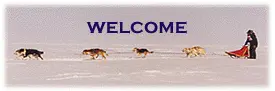
Although there are no formally declared archaeological sites, the area has a long history of use by the people of Tuktoyaktuk. People of Inuvialuit descent comprise the majority of the population in the Hamlet of Tuktoyaktuk. They depend on the plants and animals of the area to be established as a landmark. The Inuvialuit rely on the hunting of caribou in the fall, ducks and geese in the spring and fall, and fishing throughout the year. Other uses of the peninsula by the local community include trapping, collecting driftwood, berrypicking, camping, and picnicking. Once an area traditionally home to the whale-hunting Karngmalit Inuit, Tuktoyaktuk has become the sea-edge base for oil and gas exploration in the Beaufort Sea. Other major activities include transportation, communications, and reindeer herding.
|
|
|
Ontario |
Toronto  Ottawa Niagara Falls Sauble Beach Ottawa Niagara Falls Sauble Beach |
|
Quebec |
Montreal Quebec City |
|
Maritimes |
Peggy's Cove P.E.I. Halifax Cape Spear Fredericton |
|
Prairies |
Winnipeg Regina |
|
Alberta |
Calgary Kananaskis The Rockies Drumheller |
|
B.C. |
Vancouver Whistler Okanagan Gulf Islands Victoria |
|
Territories |
Tuktoyaktuk Baffin Island Whitehorse |

|
Activities |
|
|
|
Email a Postcard |
|
|
|
Visitor Info |
|
Weather Photo Tour |
|
|
|
|